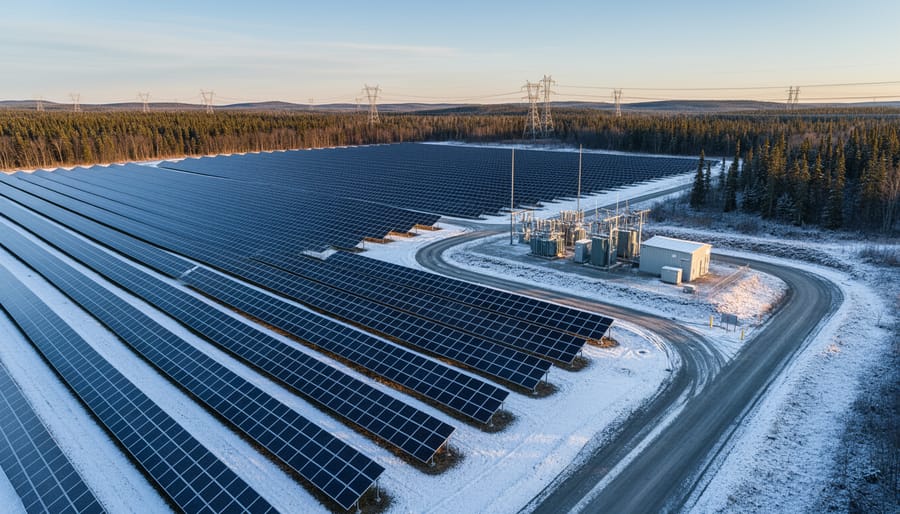
The Seven Core Values That Transform Energy Companies into Community Partners

The seven values that define a trustworthy energy company translate abstract principles into measurable actions: integrity, innovation, community partnership, environmental stewardship, safety, transparency, and accountability. These aren’t mission statement filler. When genuinely embedded in operations, they determine whether a renewable energy provider will deliver on its promises, support local economies, and maintain long-term reliability as your business partner.
For decision-makers evaluating energy providers in 2026, the challenge isn’t finding companies that claim to prioritize values. Nearly every firm publishes…
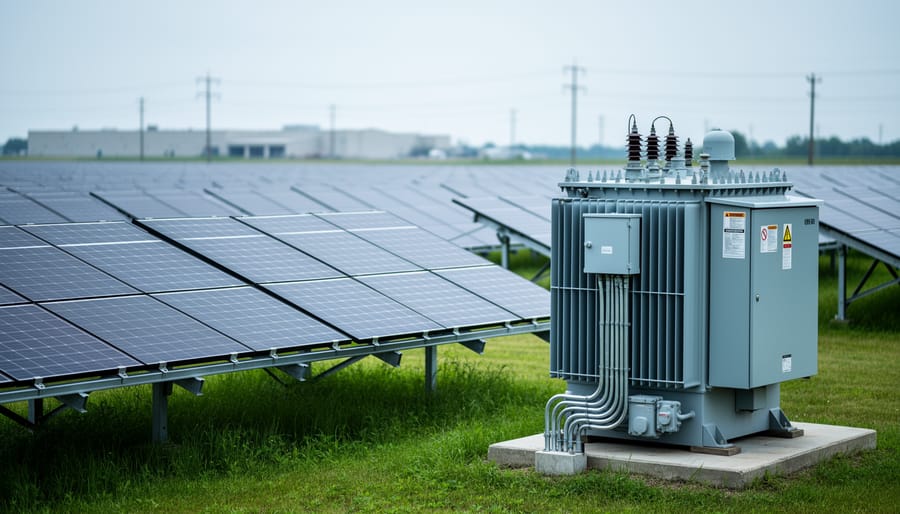
How to Navigate Electric Interconnection for Your Renewable Energy Project

Electric interconnection is the formal process through which your commercial renewable energy system connects to the utility grid, enabling you to feed excess power back to the network, receive electricity when needed, and comply with safety and technical standards set by your utility provider. For Canadian business owners planning solar, wind, or battery installations, understanding this process is essential because it determines when your system becomes operational and begins delivering returns on investment.
The interconnection journey involves submitting technical documentation, undergoing utility review, installing approved …

5 Renewable Energy Sources Transforming Business Interconnection in 2026

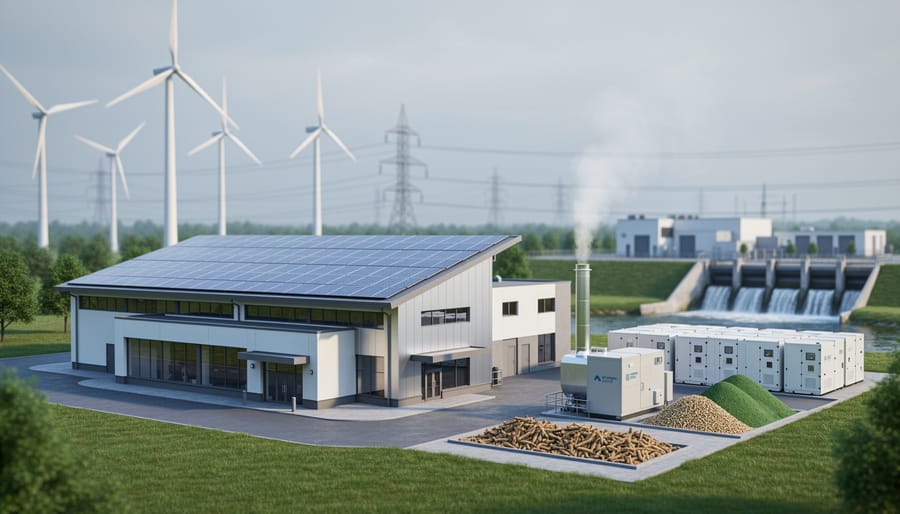
The five most viable renewable energy sources for business interconnection in 2026 are solar photovoltaic systems, onshore wind turbines, battery energy storage systems, combined heat and power biomass units, and small-scale hydroelectric generators. Each offers distinct advantages for connecting to existing power infrastructure, with solar leading for scalability and straightforward grid integration, wind for high-capacity generation, batteries for load balancing and demand response participation, biomass for baseload reliability, and hydro for consistent output with minimal interconnection complexity.
…

Why Solar Power Farms Fail (And How Smart Design Prevents It)

Solar power farms represent one of the most significant infrastructure investments a business can make in the renewable energy transition—typically ranging from hundreds of thousands to millions of dollars depending on scale. The difference between a profitable installation that delivers reliable returns for 25+ years and a struggling project that fails to meet expectations often comes down to decisions made during the design phase, long before the first panel is installed.
Modern solar farm design extends far beyond simply arranging photovoltaic panels in rows. It encompasses comprehensive site analysis including solar irradiance…