Is Canada Energy Independent? Understanding Independent Power Producers and Energy Sovereignty
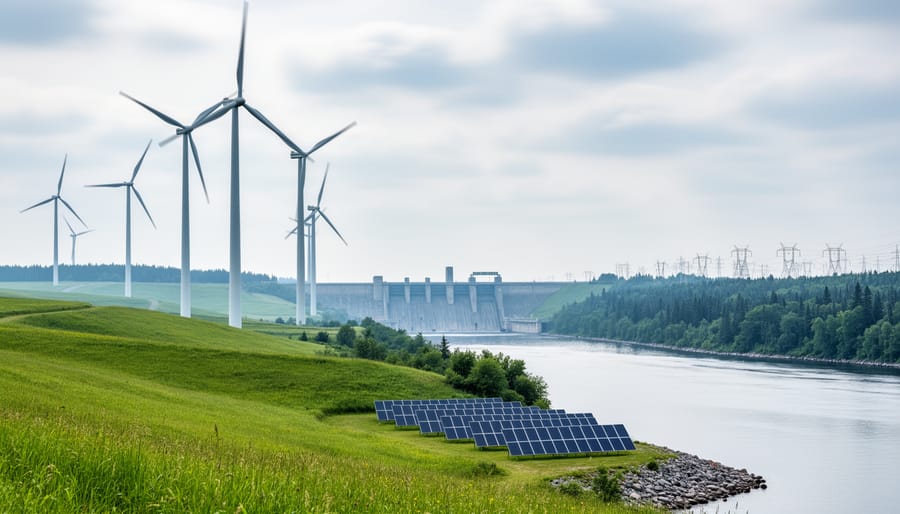
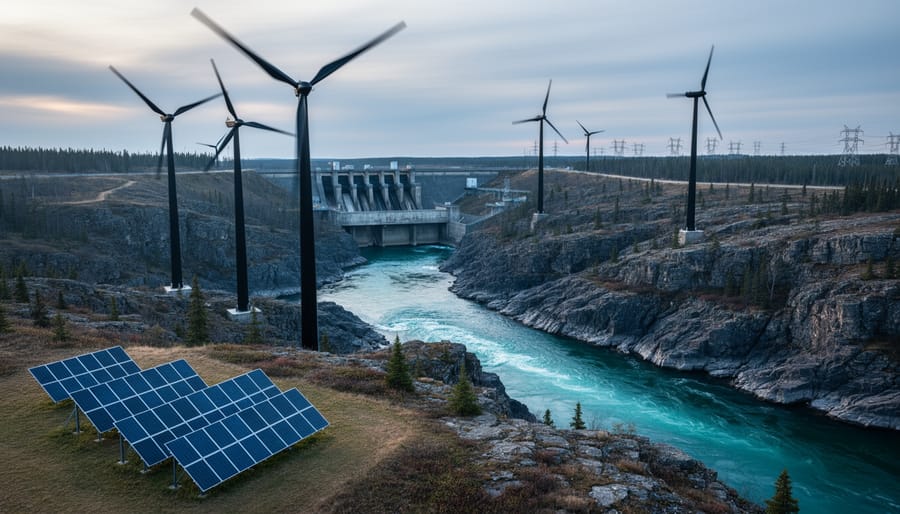
Canada is energy independent. The country produces more energy than it consumes, exporting significant volumes of crude oil, natural gas, and electricity to the United States and other markets. In 2026, Canada ranks among the world’s top energy producers, with vast reserves of hydroelectric power, oil sands, natural gas, and growing renewable capacity that collectively exceed domestic demand by a substantial margin.
But national energy independence tells only part of the story. The structure of Canada’s electricity grid, and who generates that power, directly shapes both energy security and business opportunity. …