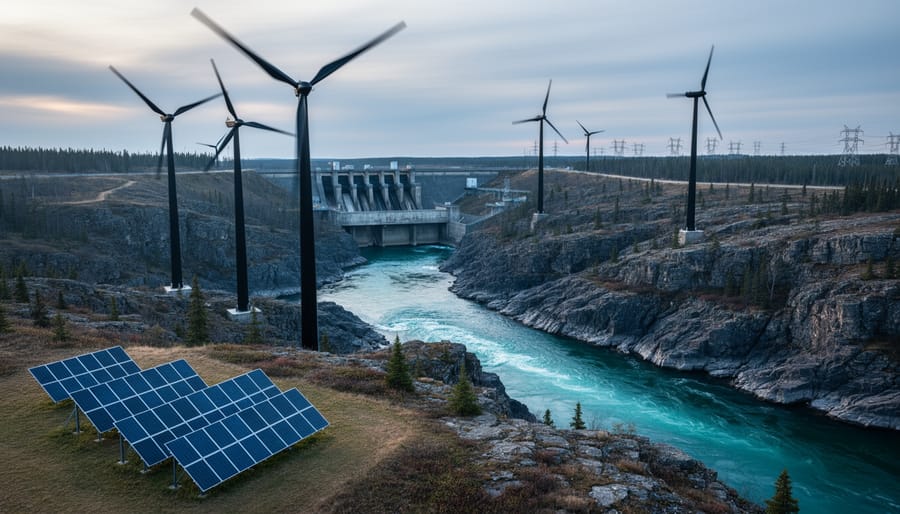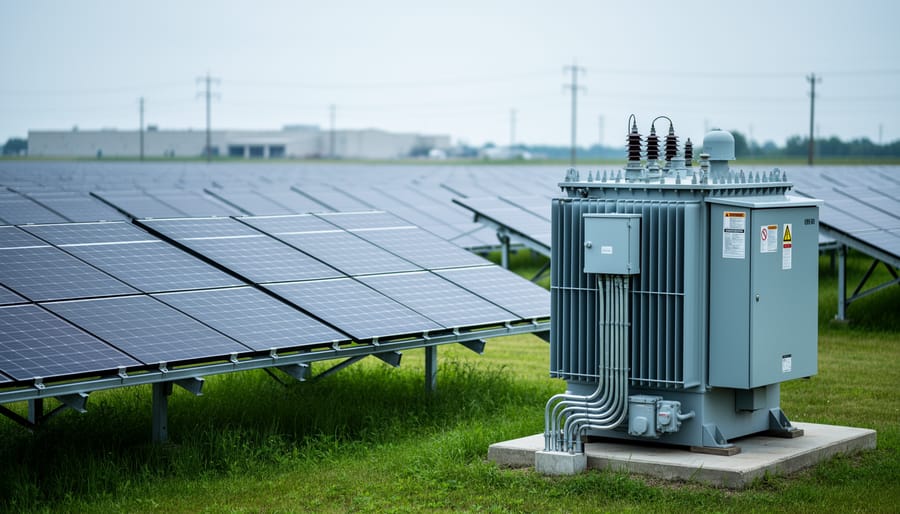
Electric interconnection is the formal process through which your commercial renewable energy system connects to the utility grid, enabling you to feed excess power back to the network, receive electricity when needed, and comply with safety and technical standards set by your utility provider. For Canadian business owners planning solar, wind, or battery installations, understanding this process is essential because it determines when your system becomes operational and begins delivering returns on investment.
The interconnection journey involves submitting technical documentation, undergoing utility review, installing approved safety equipment, and passing inspection before your system can legally energize. While the specific requirements vary by province and utility company, the fundamental steps remain consistent: you’ll prepare detailed system specifications, navigate renewable interconnection application protocols, coordinate equipment installation with certified contractors, and secure final approval through inspection.
This process exists to protect both the electrical grid and the workers who maintain it. When renewable systems feed power back into the network, utilities must ensure that voltage levels remain stable, equipment operates safely during maintenance, and power quality meets standards for all customers. Your interconnection agreement establishes the technical and legal framework that makes two-way power flow possible while safeguarding grid reliability.
The complexity and duration of your interconnection depend on your system size, local grid capacity, and how quickly you can provide complete, accurate documentation. Larger commercial installations typically face more rigorous technical review than smaller systems, but preparation and attention to detail can streamline any project regardless of scale.
What Electric Interconnection Means for Your Business
Electric interconnection is the technical and regulatory gateway that allows your renewable energy system to function as part of the broader electrical grid rather than as an isolated island. When you install solar panels, wind turbines, or battery storage for your business, interconnection establishes both the physical wiring and the legal framework that governs how power flows between your facility and the utility network. This process involves utility engineers reviewing your system design, installing bidirectional meters, and executing contracts that define responsibilities and liabilities on both sides.
The necessity of interconnection stems from grid stability requirements. Your renewable energy system doesn’t operate in isolation, it shares electrical infrastructure with hospitals, data centers, manufacturing facilities, and thousands of other customers. Without proper interconnection protocols, your solar array could inadvertently energize distribution lines during maintenance, creating lethal hazards for utility workers. The specialized equipment and safeguards required during interconnection prevent your system from backfeeding power into the grid during outages, a dangerous condition called islanding.
For businesses investing in business renewable sources interconnection unlocks the financial benefits of distributed generation. Bidirectional metering tracks both the electricity you consume and the surplus your system sends back to the grid, allowing net metering arrangements that reduce your utility bills. Without completing interconnection, your renewable system legally cannot operate, regardless of installation quality or cost.
Oversight responsibility varies by jurisdiction but typically involves three layers: your local utility manages technical reviews and connection approvals, provincial energy regulators establish interconnection standards and timelines, and electrical safety authorities conduct final inspections. Each plays a distinct role in ensuring your system meets grid codes, safety requirements, and operational standards before you receive permission to energize.
What You’ll Need Before You Start
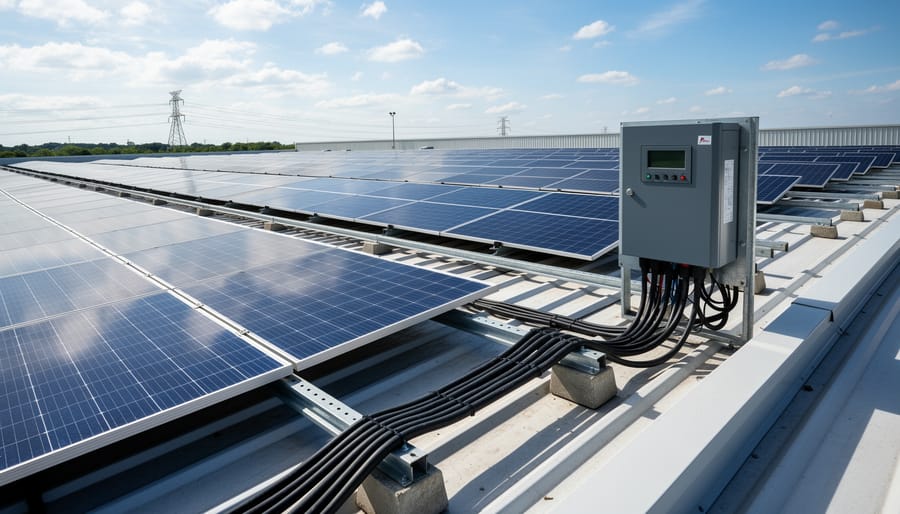
Starting an interconnection application without the right documentation is like showing up to a building permit office with sketches on a napkin, you’ll be sent home to prepare properly. Before you contact your utility, gather the technical and administrative materials that demonstrate your system is safe, compliant, and ready for grid connection.
Your utility will require detailed system specifications that go well beyond “we’re installing solar panels.” You’ll need manufacturer data sheets for your solar modules or wind turbines, inverter specifications (including anti-islanding protection capabilities), battery storage technical specs if applicable, and a single-line electrical diagram showing how your system connects to your facility’s electrical service. These aren’t marketing brochures, they’re engineering documents that prove your equipment meets grid safety standards.
Site documentation is equally important. Prepare a site plan showing your property boundaries, system location, distance to utility infrastructure, and the point of common coupling where your system interconnects with the grid. For commercial projects, you’ll typically need electrical drawings stamped by a licensed professional engineer, particularly for three-phase installations or systems that might impact grid voltage regulation.
Your interconnection application package should include:
- Current utility account number and service address
- System nameplate capacity and expected annual generation
- Equipment specifications and certifications (CSA, UL, IEEE 1547 compliance)
- Single-line electrical diagram with protective device ratings
- Site plan showing system placement and interconnection point
- Professional engineer’s stamp on electrical designs (for most commercial systems)
- Insurance documentation showing adequate liability coverage
When to bring in professionals is straightforward: licensed electrical contractors handle the physical installation and wiring, while professional engineers provide the stamped designs and calculations utilities require for review. For small rooftop solar systems, your contractor may handle most documentation. Larger or more complex installations, ground-mount arrays, wind turbines, or systems with battery storage, generally require upfront engineering work before you submit anything to the utility.
Critical Safety and Compliance Warnings
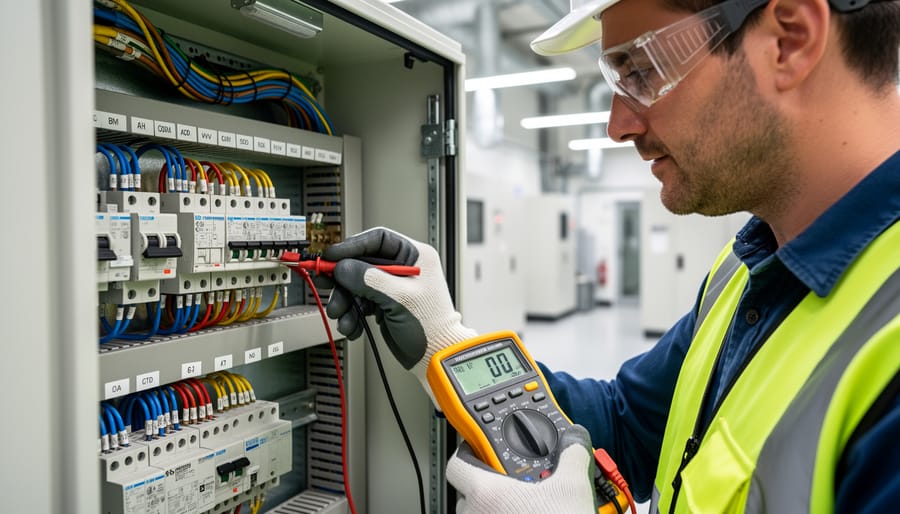
Connecting wind and solar systems to the grid without proper authorization and safety measures creates serious hazards. The most dangerous is islanding, where your renewable system continues to energize utility lines during a grid outage. Utility crews expect disconnected lines to be de-energized during repairs. If your system keeps feeding power into those lines, you put workers’ lives at risk and expose your business to substantial liability claims.
Beyond worker safety, unauthorized interconnection can destabilize the local grid. Your system may inject voltage fluctuations, harmonic distortion, or fault currents that disrupt power quality for neighbouring businesses and residences. Utilities design their distribution networks for specific load flows and fault protection schemes. An unapproved connection introduces variables the grid wasn’t engineered to handle, potentially triggering protective relays and causing cascading outages.
The compliance side carries real consequences. Canadian electrical codes and provincial regulations require utility authorization before any distributed generation system goes live. Operating without approval violates these codes. Utilities have the legal right to disconnect your service immediately if they discover unauthorized generation. You’ll face the cost of bringing the system into compliance before reconnection, and your business loses both the renewable energy investment and its grid power during that period.
Equipment damage is another risk. Improper interconnection can destroy expensive inverters, transformers, and metering equipment through voltage mismatches or synchronization failures. Anti-islanding protection devices prevent these scenarios by automatically disconnecting your system when they detect grid disturbances. These devices aren’t optional extras. They’re mandatory safety equipment, and your interconnection agreement will specify exactly what protection schemes your installation must include.
The Interconnection Process: Step by Step
Understanding Technical Reviews and Studies
Utilities decide whether to conduct formal grid impact studies based on your system’s potential to affect local infrastructure. A modest rooftop solar array on a robust industrial feeder will likely sail through with minimal review, while a larger ground-mount installation in a rural area with aging transformers may trigger detailed analysis.
When studies are required, engineers examine several technical factors. Voltage regulation analysis determines whether your generation might push voltage outside acceptable limits during light-load periods when your system produces more than nearby customers consume. Fault current calculations assess whether your equipment changes the magnitude or direction of short-circuit currents in ways that could confuse existing protective devices. Protection coordination review ensures your anti-islanding equipment and the utility’s circuit breakers work together correctly. Hosting capacity analysis evaluates how much distributed generation the local circuit can safely accommodate without costly upgrades.
System size clearly influences review depth, but it’s not the only factor. Two identical installations can face dramatically different scrutiny depending on where they connect. A weak rural line near the end of a long distribution circuit has less headroom than a stiff urban network close to a substation. Existing generation in your area also matters; if several neighbours already export solar power, the hosting capacity pie shrinks.
Grid conditions change seasonally too. Spring runoff might flood hydro reservoirs while solar production peaks, creating minimum-load scenarios where voltage rise becomes problematic. Utilities consider these dynamics when evaluating your interconnection application, which explains why seemingly similar projects receive different treatment.
The Interconnection Agreement
Once your renewable energy system passes the utility’s technical review, you’ll receive an interconnection agreement to sign. This contract establishes the legal framework for connecting your system to the grid and operating it safely within the utility’s network.
The agreement typically covers technical compliance standards your system must meet, metering arrangements that determine how your energy production and consumption are measured, and maintenance responsibilities for the interconnection equipment. It will outline the utility’s rights to disconnect your system if it creates grid problems or during emergency conditions. Liability provisions allocate responsibility for equipment damage and clarify insurance requirements. Some agreements also address what happens if you want to modify or expand your system down the road.
These contracts can be dense with technical language and grid-operator protections. Before signing, have a lawyer with energy project experience review the document. They can spot unfavorable terms, clarify your obligations, and identify potential cost exposures that might affect your project economics. The agreement will govern your relationship with the utility for years, so understanding what you’re committing to matters. Don’t treat it as a formality, it’s a binding contract with real operational and financial implications for your business.
How to Verify Your Interconnection Is Complete
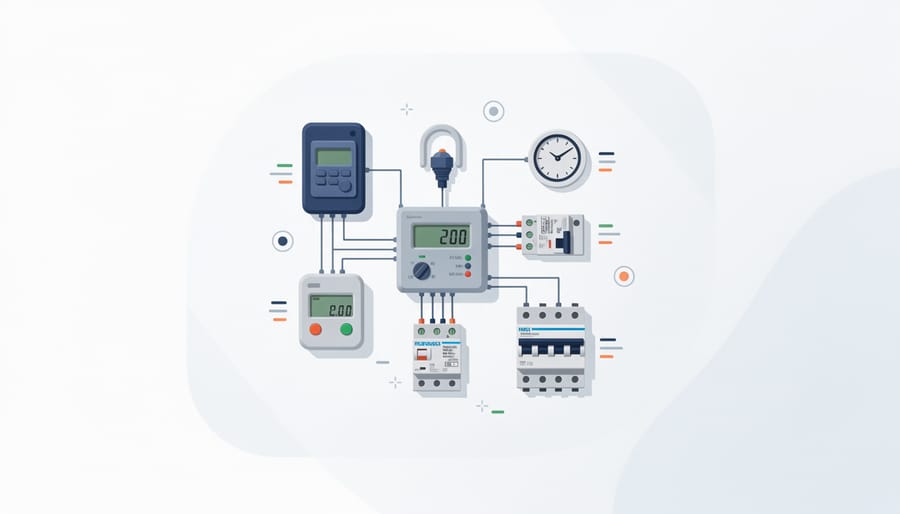
Your interconnection isn’t truly complete until you have formal written authorization from your utility. This permission to operate (PTO) document confirms that your renewable energy system meets all technical and safety requirements and is cleared to connect to the grid. Without this written approval, energizing your system violates interconnection agreements and exposes you to liability, even if installation and inspections are finished.
The PTO typically arrives after your utility completes final witnessing tests and meter commissioning. During these tests, utility technicians verify that your system’s anti-islanding protection works correctly, confirm proper synchronization with grid voltage and frequency, and validate that bidirectional metering accurately records both power consumption and export. You or your contractor should be present for these tests to address any issues immediately.
Once operational, confirm these completion milestones:
- Written permission to operate received and filed with your project documentation
- Bidirectional meter installed, programmed, and recording export/import data
- Utility portal access activated showing real-time generation and net metering credits
- Final electrical inspection certificate obtained from your provincial authority
- Interconnection agreement fully executed with all signatures
Monitor your system’s first weeks of operation closely. Check that exported power appears correctly in your utility account, watch for unexpected disconnections or error codes, and verify that your inverter maintains grid connection during normal conditions. Contact your utility immediately if metering data stops updating, if your system repeatedly trips offline, or if net metering credits don’t reflect your actual generation. These issues often indicate configuration problems that are easiest to resolve right after commissioning, before they compound into billing disputes or compliance concerns.
Common Obstacles and How to Avoid Delays
Most interconnection delays stem from preventable missteps rather than unavoidable bureaucratic slowdowns. Understanding the common roadblocks helps you steer clear of them from the outset.
Incomplete applications are the leading cause of processing delays. Utilities often return submissions missing required technical drawings, engineering stamps, or proper site documentation, restarting the clock each time. Work with your electrical contractor and engineer to assemble a complete application package before submission. Cross-reference the utility’s checklist item by item rather than assuming you’ve covered everything.
Engineering errors in system specifications or protection settings trigger rejections even when applications appear complete. An experienced renewable energy engineer familiar with local utility requirements significantly reduces this risk. Don’t cut corners on engineering quality to save upfront costs; fixing rejected designs wastes far more time and money.
Local grid constraints sometimes surface during technical review, particularly in rural areas or neighbourhoods with limited hosting capacity. If the utility flags capacity issues, ask specifically what system modifications might address their concerns, sometimes adjusting the inverter size or connection point resolves the problem without major redesign.
Coordination gaps between your contractor, engineer, and utility create unnecessary friction. Designate a single point of contact on your team to manage all interconnection communications. This person should track deadlines, follow up on pending items, and ensure everyone receives utility feedback promptly.
Utility backlog varies by jurisdiction and season, but you can’t control processing queues. What you can control is submitting applications during slower periods when possible and ensuring your paperwork is flawless the first time.
Frequently Asked Questions About Electric Interconnection
Can I handle the interconnection application myself, or do I need to hire professionals?
While you can technically submit the paperwork yourself, most businesses hire licensed electrical contractors and consulting engineers who understand local utility requirements and grid standards. These professionals help avoid application rejections, ensure compliance with electrical codes, and coordinate the technical details that utilities scrutinize during review.
What happens if my interconnection application gets denied?
Utilities typically provide specific reasons for denial, often related to incomplete documentation, grid capacity constraints in your area, or technical design issues. You’ll have the opportunity to address these concerns and resubmit, sometimes after making system modifications or waiting for grid upgrades in your neighbourhood.
Do off-grid systems require utility interconnection approval?
No. If your renewable energy system operates completely independently without any connection to the utility grid, you don’t need interconnection approval. However, you’ll miss out on net metering benefits, backup power from the grid during low generation periods, and the ability to export excess electricity.
How does interconnection relate to net metering programs?
Interconnection is the prerequisite step that makes net metering possible. You must complete interconnection and install bidirectional metering before you can participate in your province’s net metering program, which credits you for the excess electricity your system sends back to the grid.
Beyond these core questions, businesses often wonder about system expansions down the road. If you plan to add capacity to your renewable energy installation later, you’ll typically need to file a new or modified interconnection application. The utility will reassess how the larger system affects the local grid, which means another round of technical review. That’s why it’s worth considering your long-term energy goals during the initial interconnection process, oversizing certain components like inverters or planning for future capacity can sometimes streamline later expansions, though you should discuss these strategies with your engineering team before your first application.
Electric interconnection isn’t a barrier to renewable energy adoption, it’s a structured pathway that becomes straightforward when you approach it with proper preparation. Yes, the process involves regulatory steps, documentation requirements, and coordination with utilities. But businesses across Canada successfully navigate these requirements every day, turning their renewable energy installations into fully operational assets that generate power, reduce costs, and support sustainability goals.
The key lies in treating interconnection as what it actually is: a critical infrastructure investment that protects grid safety, ensures your system performs optimally, and establishes the legal framework for decades of clean energy production. When you engage qualified professionals early, submit complete applications, and maintain open communication with your utility, you avoid the delays and complications that plague unprepared applicants.
At Saskatoon Wind & Solar Solutions, we’ve guided businesses through every stage of this journey. Our team handles the technical reviews, coordinates with utilities, ensures your documentation meets regulatory standards, and stays with you from initial application through final permission to operate. We view interconnection not as a separate hurdle but as an integrated component of renewable energy implementation, because a system that can’t connect to the grid is a system that can’t deliver on its promise.
Your interconnection approval represents more than regulatory compliance. It’s your business’s entry point into energy independence, cost predictability, and a lower carbon footprint. The regulatory steps exist to make that transition safe and reliable for everyone on the grid.