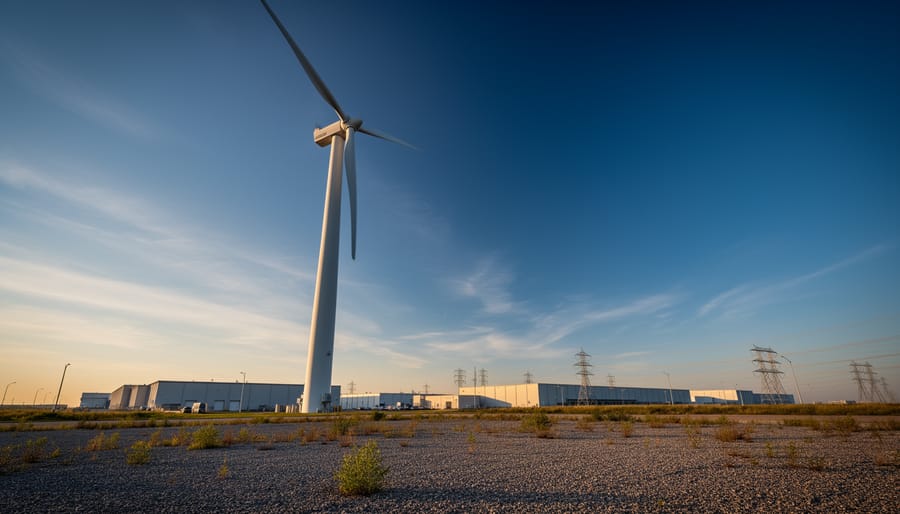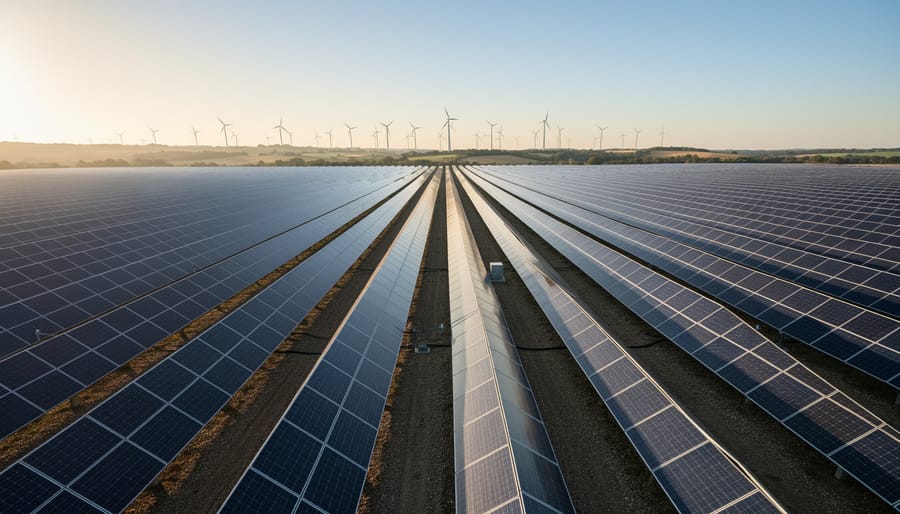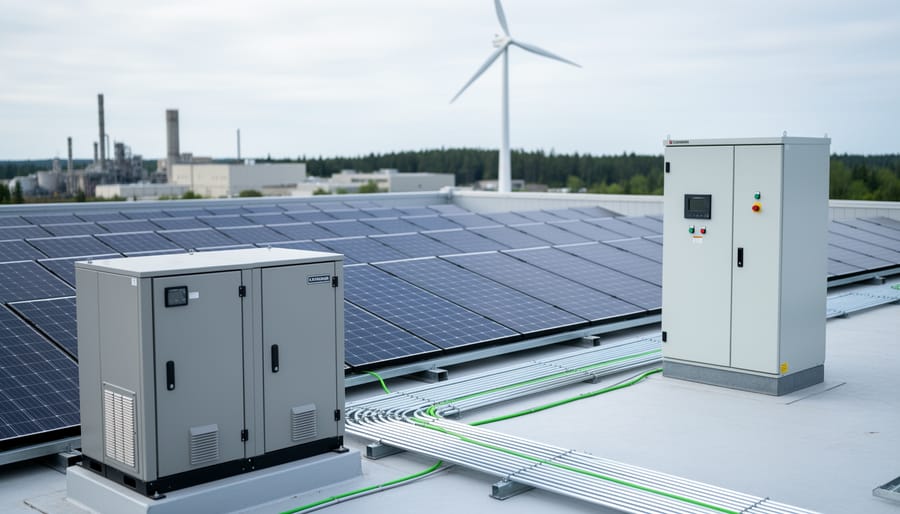
An X-Solution is a fully customized, modular sustainable energy system designed to match your business’s specific operational needs, site constraints, and growth trajectory. Unlike standardized energy packages that force you to adapt to preset configurations, this approach builds your renewable infrastructure from the ground up, selecting and sizing components like solar arrays, battery storage, wind turbines, and grid integration technology based on your actual energy consumption patterns, available space, and long-term business objectives.
The distinction matters because energy profiles vary dramatically across industries and facilities. A manufacturing plant with steady 24/7 baseload demand requires different components and sizing than a retail operation with pronounced daytime peaks, yet both can benefit from the innovation and sustainability that renewables in 2026 deliver. X-Solutions recognize these differences and optimize accordingly, which typically results in 15-30% better return on investment compared to one-size-fits-all installations.
Business decision-makers evaluating this approach need to understand three core principles. First, customization happens at the assessment stage, where energy audits, site surveys, and financial modeling identify your optimal mix of technologies. Second, modularity means your system can expand or adapt as your business grows without requiring complete replacement. Third, implementation follows a phased approach that minimizes operational disruption while delivering measurable results at each stage.
The sections that follow break down exactly how X-Solutions work across different industrial sectors, what the assessment and planning process entails, and how to evaluate vendors and financing structures. You’ll see concrete examples from businesses similar to yours and gain the practical knowledge needed to determine whether a customized sustainable energy solution aligns with your operational and financial goals.
What Makes X-Solution Different from Traditional Energy Systems
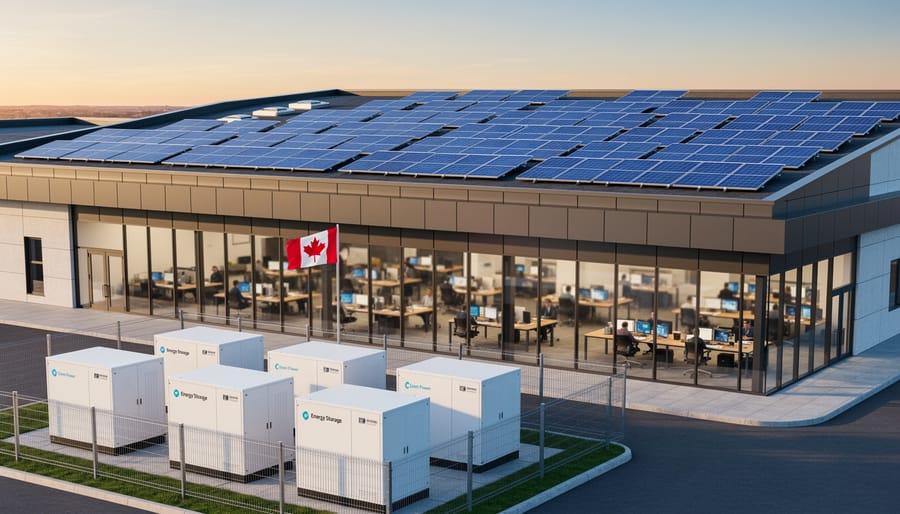
Traditional energy systems operate on a standardized model: assess your total power needs, install a fixed-capacity system, and hope it matches your requirements for the next 20 years. X-Solution methodology flips this approach entirely by treating energy infrastructure as an evolving framework rather than a permanent installation.
The core difference lies in three principles that define customized sustainable solutions. Flexibility means your energy system adapts to changing operational demands rather than constraining your business operations around fixed power capacity. Modularity allows you to add, remove, or reconfigure generation and storage components as your needs evolve, avoiding the massive upfront investment traditional systems demand. Scalability ensures your energy infrastructure grows with your business, whether you’re expanding production facilities or adding new operational sites.
| Factor | Traditional Energy Approach | X-Solution Approach |
|---|---|---|
| Scalability | Fixed capacity requiring complete replacement to expand | Incremental growth with modular additions |
| Customization | Standardized systems with minimal adaptation | Site-specific design matching exact operational requirements |
| Implementation Timeline | 18-36 months for complete system deployment | Phased installation with immediate partial operation |
| Adaptability | Limited modification after installation | Ongoing optimization and reconfiguration capability |
This matters because industries face vastly different energy challenges. A remote wastewater treatment facility requires reliable off-grid operation with minimal maintenance visits. An aerospace testing facility needs surge capacity for short-duration, high-power operations. A field energy installation demands rapid deployment and eventual relocation capability. One-size-fits-all systems fail these scenarios because they prioritize standardization over operational reality.
The X-Solution framework succeeds through smart design that begins with understanding your specific operational context, not with selling you a predetermined system configuration. Instead of forcing your business to adapt to energy infrastructure limitations, customized sustainable solutions adapt to how you actually operate, creating systems that serve your mission rather than constrain it.
Core Components of an X-Solution Energy System
Renewable Generation: Wind and Solar Integration
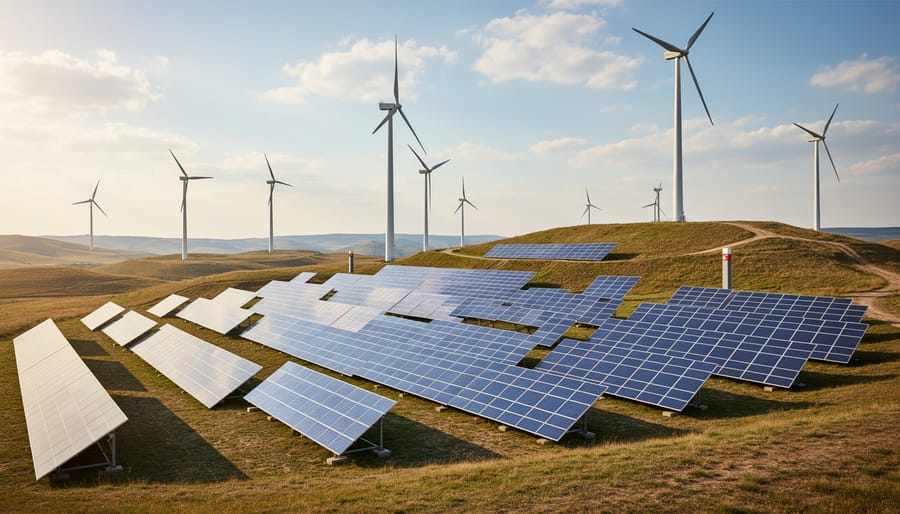
The effectiveness of any X-Solution depends on matching generation capacity to a site’s unique energy demand patterns and available renewable resources. Rather than defaulting to a single technology, the approach evaluates wind and solar potential separately, then determines the optimal combination for consistent power delivery.
Solar components work best where irradiance is predictable and daytime energy demand peaks align with generation. Wind turbines complement solar by generating power during different hours, often strongest overnight or during seasonal periods when solar output drops. By analyzing historical weather data alongside hourly load profiles, engineers size each generation source to minimize gaps and reduce storage requirements.
This hybrid methodology draws on established wind-PV integration studies that demonstrate how combining technologies improves capacity factors compared to single-source systems. For a remote facility with 24-hour operations, that might mean 60% solar capacity covering daytime loads while wind turbines handle overnight demand. For seasonal industries, the ratio shifts based on operational schedules.
The modular structure allows businesses to start with the dominant resource, solar in southern regions, wind in prairie locations, then add the complementary technology as budgets allow or energy needs grow. This staged approach reduces upfront investment while maintaining a clear path toward full energy independence tailored to each site’s conditions.
Energy Storage: The Critical Link
Energy storage is what transforms intermittent renewable generation into a dependable power source. Without batteries or other storage solutions, wind and solar systems can only provide electricity when conditions allow. For businesses requiring consistent power, whether operating off-grid or maintaining backup capacity, storage bridges the gap between when energy is produced and when it’s needed.
Modern X-Solution systems typically incorporate lithium-ion battery banks sized to match specific operational patterns. A remote facility might need 12-hour storage capacity to cover overnight operations, while a wastewater treatment plant with critical pumping requirements might specify enough reserve for three days of cloudy weather. The modular approach allows storage to scale independently of generation capacity, adapting to seasonal demand shifts or expanded operations.
Beyond batteries, some installations integrate thermal storage for heating applications or use existing infrastructure like elevated water tanks for gravity-based energy storage. Research confirms that energy storage improves reliability while reducing operational costs.
The storage component also enables intelligent load management, storing excess generation during peak production hours and releasing it strategically when demand rises or renewable output drops. This capability distinguishes X-Solution from basic renewable installations, creating resilient systems that maintain operations regardless of weather patterns or grid availability.
Smart Distribution and Management
Smart power distribution systems transform X-Solution renewable installations from static arrays into responsive energy networks. These intelligent controllers continuously monitor generation output, storage levels and consumption patterns across all connected loads. When solar production peaks at midday, the system automatically routes surplus power to charge batteries while maintaining critical operations, then seamlessly draws from storage during evening demand spikes or cloudy periods.
Modern intelligent EMS control strategies enable predictive load management, learning operational patterns to anticipate demand fluctuations hours ahead. For facilities with variable processes, a wastewater plant running intensive treatment cycles or an aerospace facility conducting power-intensive tests, this predictive capability prevents brownouts and optimizes battery longevity by managing charge cycles efficiently.
The control layer also integrates fail-safe protocols. If wind generation drops unexpectedly or a battery reaches discharge limits, the system prioritizes essential loads while gracefully curtailing non-critical functions. Real-time monitoring gives operators visibility into system performance through dashboards showing energy flows, component health and efficiency metrics. This combination of automation and oversight ensures your customized X-Solution system delivers reliable power regardless of weather conditions or operational demands.
Industry Applications: X-Solution Across Different Sectors
Energy Industry: Remote Operations and Grid Independence
Remote energy operations face unique challenges that make customized sustainable solutions particularly valuable. Oil and gas field sites, mining operations, and pipeline monitoring stations often sit far from reliable grid infrastructure, where power interruptions can halt critical processes and create safety risks.
X-Solution systems address these challenges by creating site-specific energy independence. A remote compressor station, for example, might combine solar arrays with battery storage sized precisely to its operational load, eliminating diesel generator dependency while maintaining 24/7 reliability. The modular design means the system scales as the site’s operations expand, adding capacity without redesigning the entire infrastructure.
Grid independence also matters for facilities with backup power requirements. Emergency response centers and critical control rooms can’t afford downtime during grid failures. An X-Solution approach integrates renewable generation with intelligent switching systems that maintain seamless power during outages, while reducing operating costs during normal conditions. Unlike conventional backup systems that sit idle until needed, these customized configurations generate value continuously.
The financial case strengthens in remote locations where fuel delivery costs run high and grid connection infrastructure requires substantial capital investment. Many energy companies find that properly designed X-Solution systems pay for themselves through avoided diesel costs within three to five years, while simultaneously reducing carbon emissions and improving operational resilience.
Wastewater and Environmental: Powering Treatment Facilities
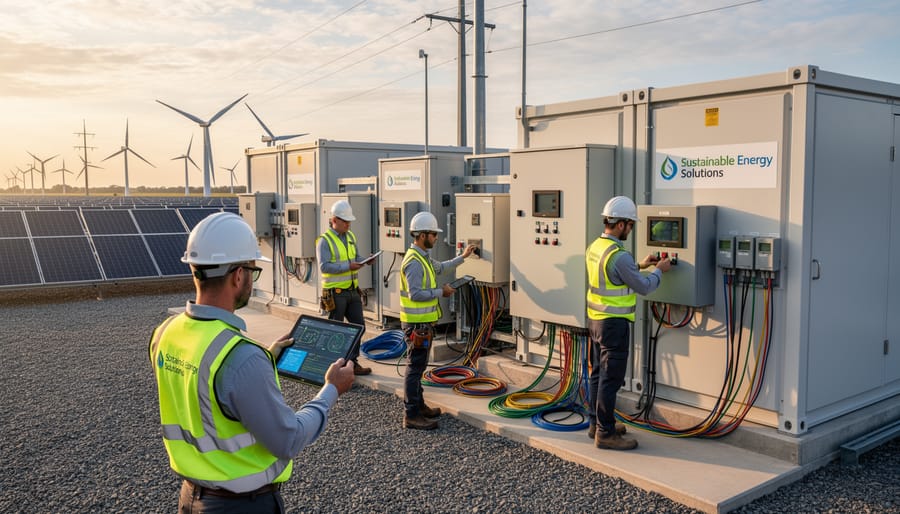
Wastewater treatment facilities face a unique challenge: they operate 24/7 regardless of weather conditions, making reliable power absolutely critical. Traditional grid dependence exposes these operations to outages that can compromise treatment processes and environmental compliance. X-Solution provides the reliable, sustainable power these facilities need while reducing operational costs.
For wastewater treatment plants, customized configurations typically combine solar arrays with battery storage sized to match daily treatment loads and peak demand periods. The modular design allows facilities to start with core treatment operations and expand coverage to secondary processes like pumping stations and aeration systems as budget permits. Many plants report 60-70% reductions in grid electricity consumption after implementation.
Remote environmental monitoring stations benefit particularly from X-Solution’s off-grid capabilities. These installations, often located in areas without grid access, require dependable power for sensors, telemetry equipment, and data transmission. Solar-battery configurations sized for the site’s specific equipment load and geographic conditions provide years of autonomous operation with minimal maintenance.
Water infrastructure applications including remote pumping stations and pressure boosters use similar customized approaches. The key advantage: each system is engineered for that specific site’s power requirements, environmental conditions, and operational patterns rather than forcing facilities into standardized configurations that may not fit their actual needs.
Aerospace and Defense: Mission-Critical Reliability
Aerospace and defense operations demand absolute reliability with zero tolerance for power interruptions. X-Solution systems address these mission-critical requirements through redundant power architectures and military-grade component specifications. A remote radar installation might integrate wind turbines, solar arrays, and substantial battery storage to ensure 99.99% uptime regardless of grid status or weather conditions. The modular framework allows facilities to scale capacity as missions expand while maintaining stringent security protocols.
Defense applications particularly value the energy independence X-Solution provides. Remote communication stations, surveillance equipment, and command facilities can operate indefinitely without fuel deliveries or grid connectivity, eliminating supply chain vulnerabilities and reducing operational exposure. The systems incorporate advanced monitoring that detects anomalies instantly, with automatic failover protecting against any single point of failure.
For aerospace facilities, X-Solution delivers clean, stable power for sensitive testing equipment and manufacturing processes. Ground support installations at remote airfields have deployed customized configurations combining multiple renewable sources with islanding capabilities, ensuring launch schedules and operational readiness remain unaffected by external power disruptions. These installations demonstrate how tailored sustainable energy meets the uncompromising standards defense and aerospace sectors require.
The X-Solution Assessment Process: From Concept to Implementation
Implementing a customized X-Solution system follows a structured methodology that ensures your renewable energy infrastructure matches your operational requirements. Here’s how the process unfolds from initial contact to full operation:
- Site Assessment and Load Analysis: Energy specialists conduct a comprehensive evaluation of your facility’s power consumption patterns, peak demand periods, and operational requirements. This phase includes analyzing historical energy data, measuring current infrastructure capacity, and identifying constraints specific to your location.
- Resource Evaluation: Engineers assess available renewable resources at your site, solar exposure throughout the year, wind patterns, available land or roof space, and existing electric interconnection infrastructure. This evaluation determines which combination of generation sources will deliver optimal performance.
- System Design and Configuration: Based on assessment findings, designers create a modular system architecture tailored to your needs. This includes specifying generation capacity, storage requirements, distribution components, and control systems that align with your operational priorities and budget parameters.
- Financial Modeling and Approval: Your team receives detailed projections showing upfront investment, operational savings, payback periods, and long-term value. This phase includes exploring available incentives, financing options, and scalability scenarios as your business grows.
- Procurement and Installation: Once approved, equipment procurement begins, followed by installation according to a schedule that minimizes disruption to your operations. Professional installers ensure all components integrate properly and meet safety standards.
- Commissioning and Training: Before handover, technicians test the entire system under real operating conditions. Your team receives training on monitoring tools, basic maintenance procedures, and optimization features specific to your X-Solution configuration.
- Ongoing Support and Optimization: Post-installation support ensures your system performs as designed. Many providers offer remote monitoring, preventive maintenance schedules, and system adjustments as your energy needs evolve.
This methodical approach typically spans three to six months from initial assessment to full operation, though timelines vary based on project complexity and site-specific factors.
Investment Considerations and Long-Term Value
Understanding the financial implications of a customized sustainable energy system starts with recognizing that X-Solution investments differ fundamentally from commodity purchases. Rather than paying for a standardized product, you’re funding a system engineered specifically for your operational requirements, energy profile, and growth trajectory.
Initial capital requirements vary widely based on system size, component selection, and site complexity. A remote monitoring station might need $150,000 for a compact wind-solar hybrid with battery storage, while a mid-sized industrial facility could invest $2-4 million for comprehensive grid independence. These figures reflect complete turnkey installations including engineering, equipment, installation, and commissioning. For baseline comparisons, reviewing solar and wind cost factors helps establish realistic expectations before customization begins.
The financial advantage emerges through operational savings and risk mitigation. Facilities eliminating diesel generators typically save 60-75% on fuel costs annually, with remote operations seeing payback periods of 5-8 years. Beyond direct energy savings, X-Solution systems reduce maintenance requirements, eliminate fuel transportation costs, and protect against utility rate escalation that averages 3-5% annually in many Canadian jurisdictions.
Scalability amplifies long-term value. Modular designs let you expand capacity as operations grow without scrapping existing infrastructure. Adding generation or storage capacity costs 20-30% less than building equivalent capacity into the initial installation, making phased implementation financially strategic for businesses with uncertain growth trajectories.
Tax incentives, accelerated capital cost allowances for clean energy equipment, and potential carbon credit revenue further improve returns. Most commercial X-Solution implementations achieve full payback within 7-12 years while delivering 25-30 years of operational life, creating substantial net positive value over the system lifecycle.
The shift toward X-Solution methodology marks a fundamental change in how Canadian businesses approach their energy future. Generic, one-size-fits-all systems can’t address the diverse operational realities that define modern industry, whether you’re running remote field operations, managing critical treatment facilities, or powering aerospace installations. Customized sustainable solutions succeed precisely because they start with your specific requirements rather than forcing your operations to adapt to rigid infrastructure.
The modular framework that defines X-Solution systems offers something traditional energy approaches can’t match: the ability to scale and evolve alongside your business. You’re not locked into yesterday’s decisions when tomorrow’s demands change. That flexibility translates directly into operational resilience and financial performance over the decades these systems operate.
Canadian businesses face mounting pressure to decarbonize while maintaining reliable operations and controlling costs. X-Solution addresses all three imperatives simultaneously through careful engineering tailored to real-world conditions. The evidence from energy, environmental, and defense sectors demonstrates that customization delivers measurable advantages in uptime, efficiency, and long-term value.
The question for decision-makers isn’t whether renewable energy makes sense, it’s whether your approach will genuinely serve your operational needs or create new constraints. If your facility’s requirements don’t fit standard templates, exploring how X-Solution methodology can support your specific sustainability goals represents a strategic investment worth serious consideration. The future of Canadian business energy is customized, scalable, and increasingly proven.